

Welcome to the Year of Not-so-B2B 25/26 Annual! In these pages, you’ll find everything you need to navigate the year ahead: thoughts, insights, trends, and plenty of creative inspiration. We’ve organized these around 5 big themes that we think are set to reshape the B2B industry as we know it, as well as some predictions from leading creative experts on what lies ahead.
Have a scroll and soak up the creative inspo, and if you want more to satiate your appetite, then request your free physical copy below.
Request your physical copy now >Welcome to the Year of Not-so-B2B 25/26 Annual! Scroll on to find everything you need to navigate the year ahead: thoughts, insights, trends, and plenty of creative inspiration.
And if you want more to satiate your appetite, you can request your free physical copy below.
Request your physical copy now >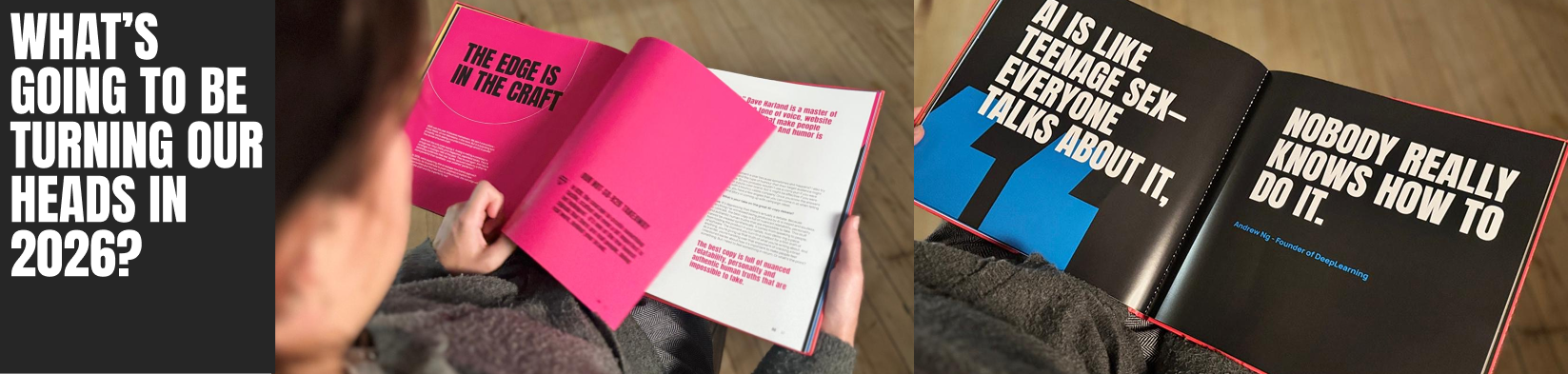
2026 is the year we make B2B feel a little less B2B.
That’s why we’re giving away
this
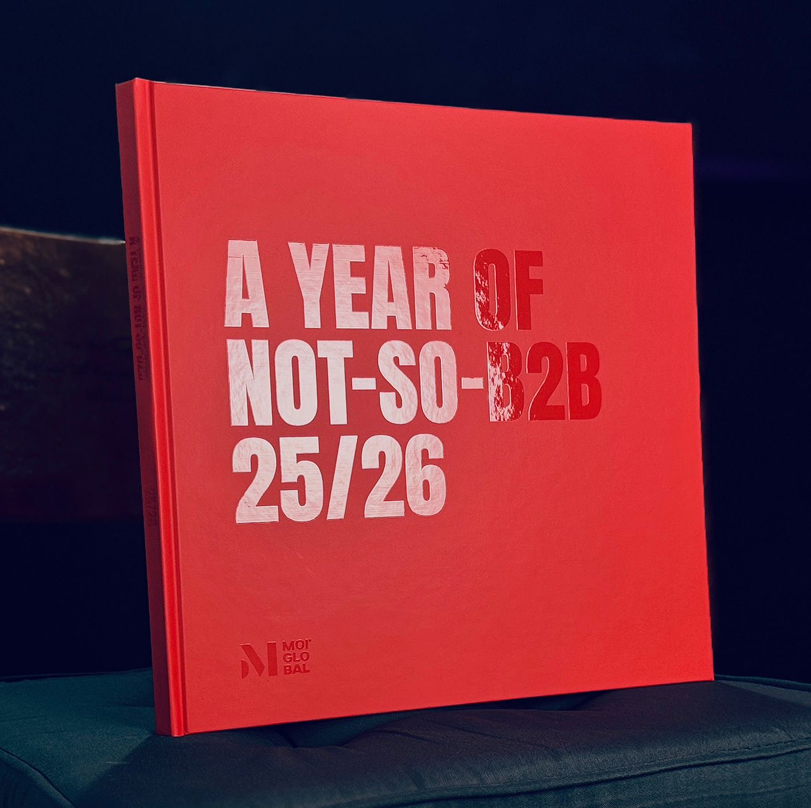
premium, limited-edition physical version of our Year of Not-so-B2B 25/26 Annual. Packed
with
exclusive interviews, creative insights and Not-so-B2B POVs, it’s perfect to leave lying
around
the office for everyone to enjoy.
Simply fill out the form below to get your hands on one before we run out!
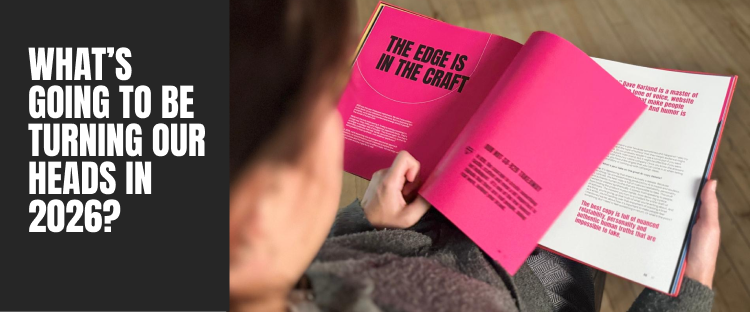
We’re giving away premium, limited-edition physical versions of our Year of Not-so-B2B 25/26 Annual. Simply fill out the form to get your hands on one before we run out!
Scroll on
to discover THE
5 big themes...

What's going to be
turning our heads
in 2026?
Throughout the course of 2025, we asked some of the industry's top creatives what's on their radar for the coming years - from the trends that are here to stay, to the technologies, approaches and tactics that will shape the future of B2B marketing. Here’s what they had to say.
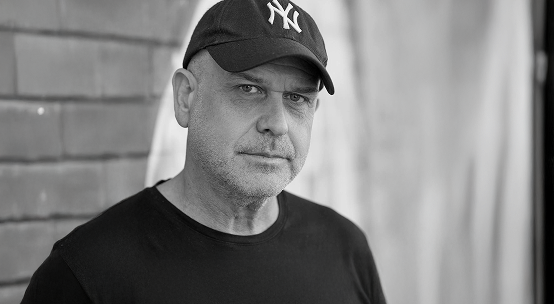
Rodd
Chant
Executive Creative Director & LinkedIn Top Voice
“[I think one of the biggest changes we’re going to see is] the fall of the holding company system. They are all struggling now, and for good reason. They sat in ivory towers, never evolving, never being innovative, and then technology came along and made much of what they offered either easy to replicate, or it exposed their overstaffing practices to drive up billable hours. Now, thanks to technology and shifting client needs and requirements, small and agile creative agencies can take on projects that were once the exclusive territory of major, holding company-owned agencies. The future of the industry is small, agile, and independent.”
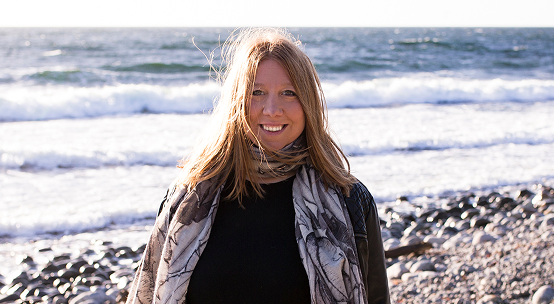
Anneli Hansson
Marketing Strategist & Speaker
“Sustainable branding will be driven by innovation and behavior change. It’s not just about how we talk — it’s about what we build. I see more services replacing products, circular models gaining traction, and brands playing an active role in nudging consumers toward more sustainable choices. Branding will be less about persuasion and more about guidance and contribution.”
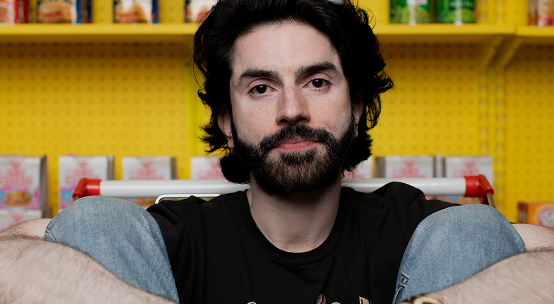
Mo Said
Founder of Mojo Supermarket
“I think AI is here to enlighten creatives. I know that's a crazy answer, and it's very hard to believe right now, but a creative person can think laterally and has impeccable taste. These people with taste will be able to apply that taste to a bunch of options a lot faster with a lot less administrative and annoying work. This will make it so anybody can become a Creative Director immediately. It will also make it so that the best creatives, the best Creative Directors, will not lose their jobs but actually end up being way overpaid compared to today.
But I want to address the fact that right now, it feels like panic. Every day there's a new image generator or copywriting tool that comes out on the internet, causing anxiety within today's creatives. And we're not doing enough to support them emotionally or mentally through this time. We're just telling them to be curious and do more with less.”
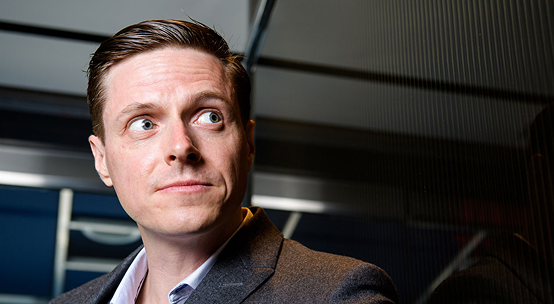
James Taylor
Creativity, Innovation and AI keynote speaker
“One major trend is what I call SuperCreativity: the way humans collaborate with AI, machine learning, robotics, and other forms of technological augmentation to enhance their creative output.
Another is the resurgence of real-world, in-person experiences. As deepfakes and AI-generated content proliferate, we’ll face a growing crisis of trust: how do we know the person we’re speaking with is real? In response, retreats, salons, experiential events, and intimate gatherings will become even more vital. These are spaces that can’t be faked and where human connection and creativity thrive.”
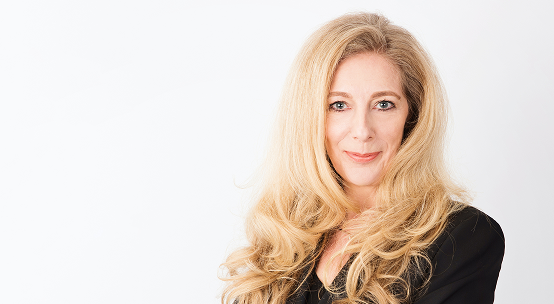
Maria Franzoni
Speaker, advisor and #1 bestselling author
“What’s interesting is how little is changing, rather than how much. Despite new formats, technologies, and hybrid options, speaking is still about people coming together to connect, learn, and be inspired and I think that will always remain at its core. Get that right and you will always be relevant to whatever is happening in the speaking market.”
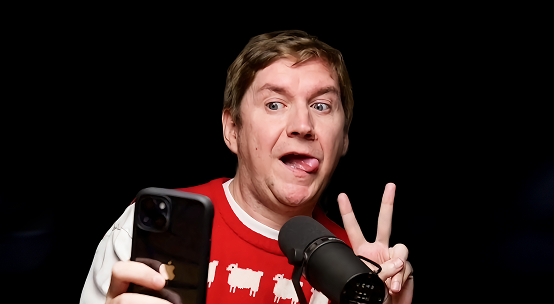
Rob Mayhew
Award-winning content creator, host & speaker
“I think there's always been a place for humor in advertising. I think it can be a great way to make your story interesting and memorable. When done well, it's amazing. But humor can be a tricky thing to get right, so you need to take risks and be surprising. I love brands that use humor to surprise me. I was lucky to be on the jury for Cannes Lions Social and Influencer in 2024. It was an amazing experience. We discussed humor a lot as it was a new category. I'm told that ‘humor’ is the new ‘purpose’. I think there's a place for both.”
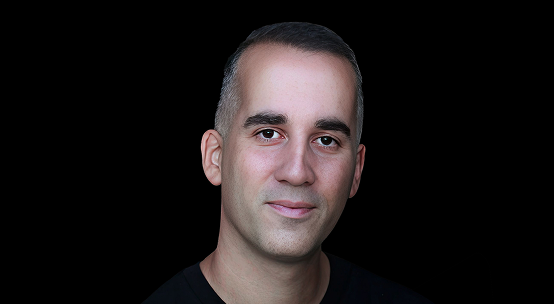
Benjamin Benichou
Creative Director, Visual Artist & AI Pioneer
“The future of creativity lies in collaboration between humans and AI. As AI continues to evolve, it will become an intuitive partner, enabling creatives to explore ideas and execute visions faster than ever, while still relying on human insight to shape meaningful narratives.
For brands, this means campaigns will become increasingly immersive, personalized, and impactful. But there’s a responsibility to ensure AI is used thoughtfully. Creativity is about connecting with people on a deep level, and while AI can enhance that, it’s up to us to preserve the authenticity and emotional resonance that make great art and storytelling timeless.”
At the end of 2024, we made a few predictions about where we thought B2B marketing was heading. Curious to see what came true? Check out our 2025 reflections in the full annual.
Get your copy >At the end of 2024, we made a few predictions about where we thought B2B marketing was heading. Curious to see what came true? Check out our 2025 reflections in the full annual.
Get your copy >
Brand
comes of age
‘Brand to demand’ is a phrase that has been thrown around a lot in the B2B world over the past few years. Businesses have been swept up in the performance marketing wave, intent on capturing quick wins and short-term demand, leaving brand in the backseat.
But what if we’ve been looking at it all wrong? The very concept of ‘brand to demand’ insinuates that they are two separate entities working side by side that need to be drawn together. When really, that’s not the case. Brand is demand. Neither can thrive without the other. And there’s more and more research popping up that proves that to be the case.
Our Not-so-B2B
takeaway
The most effective way to capture intent in your current quarter is to have built trust and mindshare in the previous one.
Just take this stat from LinkedIn and Bain & Company. It’s estimated that vendors are up to 20x more likely to land a deal when the entire buying group is familiar with the brand, as opposed to just a select few. All this time, brands have been playing the short game. When really, they should have been focused on the real prize: the mindshare and long-term demand that comes from a strong brand presence. After all, building mindshare isn’t just about awareness (though that’s certainly part of it). It dramatically reduces the cost of capturing demand in the first place.
In 2026, we’re expecting this attitude to change. As brands look for new ways to differentiate in increasingly competitive, AI-flooded markets, we’ll see a clear pivot from short-term mentalities to long-term brand-building. And part of that will be taking brand out of the backseat and into the boardroom.
Our Not-so-B2B
takeaway
The most effective way to capture intent in your current quarter is to have built trust and mindshare in the previous one.
James Taylor
Creativity,
Innovation &
AI Keynote
Speaker
MOI: How do you personally define creative impact — and does ‘turning heads’ always mean success?
James: To me, creative impact means inspiring the work of others. We’ve all seen creative teams or companies win awards, yet their output can feel like intellectual Red Bull—momentarily energizing but ultimately lacking depth or long-term influence.
Yes, turning heads can bring short-term commercial success. But there are many artists, inventors, and creatives whose work was only truly appreciated long after they were gone. That doesn’t mean everything we create must aim to be timeless or evergreen—there’s value in work that feels deeply of the moment.
Read full interview here Grab a copy of the full chapter >
James
Taylor
Creativity,
Innovation &
AI Keynote
Speaker
MOI: How do you personally define creative impact — and does ‘turning heads’ always mean success?
James: To me, creative impact means inspiring the work of others. We’ve all seen creative teams or companies win awards, yet their output can feel like intellectual Red Bull—momentarily energizing but ultimately lacking depth or long-term influence.
Yes, turning heads can bring short-term commercial success. But there are many artists, inventors, and creatives whose work was only truly appreciated long after they were gone. That doesn’t mean everything we create must aim to be timeless or evergreen—there’s value in work that feels deeply of the moment.
Read full interview hereAN MOI
PERSPECTIVE
Why Jonathan Anderson’s Dior is a masterclass in timeless brand thinking

AN MOI
PERSPECTIVE
Why Jonathan Anderson’s Dior is a masterclass in timeless brand
thinking
CULTURAL
RELEVANCE
IS THE NEW
CURRENCY
2026 is the year we speak the language of our buyers. Not selling how we want to sell, but how, where and when our customers actually want to buy.
Over the past year, we’ve seen firsthand how buying behaviors are changing. The decision-making that used to happen in business boardrooms is now spreading into group chats, comment threads, and late-night scrolling. Gen Z and Millennials are no longer “the future buyers” – they increasingly are the buyers, now making up roughly 64% of business decision-makers.
Our audiences are evolving, which means B2B needs to evolve too. In other words, dusting off the outdated B2B playbook and reusing the same buying models isn’t going to cut it anymore. Instead, B2B brands need to make themselves culturally relevant.
That means understanding how their audience thinks, leaning into authentic, emotive storytelling, and fitting into the cultures and behaviors of their buyers. Even if that means stepping outside of the B2B bubble.
Our Not-so-B2B
takeaway
2026 is the year we start selling the way customers actually buy, rather than how we want to sell.
CULTURAL
RELEVANCE
IS THE NEW
CURRENCY
Our Not-so-B2B
takeaway
2026 is the year we start selling the way customers actually buy, rather than how we want to sell.
Mo Said
Founder &
CEO of Mojo
Supermarket
MOI: What's one of your favorite projects you've worked on?
Mo: I think one of my favorite projects that I've ever done has to be Depression Stick by The Truth Initiative. They came to us at a time when young people didn't think vapes were that bad. The messaging of “these things give you cancer” or “they cause physical harm” wasn't effective because it was a message built for cigarettes and a different generation. We needed a new reason for a new generation to quit a new habit, and we needed to deliver it in a shocking and quick way.
We decided that this generation cared about mental health more than anything else. And we found the link between mental health and nicotine vapes. To deliver that message, we started a fake vape company called Depression Stick and made campaigns as Depression Stick. It was strategically smart and creatively irresponsible, which is how I like my favorite projects.
Read full interview here Grab a copy of the full chapter >Mo Said
Founder &
CEO OF MOJO
Supermarket
MOI: What's one of your favorite projects you've worked on?
Mo: I think one of my favorite projects that I've ever done has to be Depression Stick by The Truth Initiative. They came to us at a time when young people didn't think vapes were that bad. The messaging of “these things give you cancer” or “they cause physical harm” wasn't effective because it was a message built for cigarettes and a different generation. We needed a new reason for a new generation to quit a new habit, and we needed to deliver it in a shocking and quick way.
We decided that this generation cared about mental health more than anything else. And we found the link between mental health and nicotine vapes. To deliver that message, we started a fake vape company called Depression Stick and made campaigns as Depression Stick. It was strategically smart and creatively irresponsible, which is how I like my favorite projects.
Read full interview hereAN MOI
PERSPECTIVE
WHAT
OTHERS
ARE THINKING
B2B brands can leverage cultural moments to make an impression
Article courtesy © Kieran Kent, The Drum

AN MOI
PERSPECTIVE
WHAT OTHERS
ARE
THINKING
B2B brands can leverage cultural moments to make an impression
Article courtesy ©Kieran Kent, The Drum
INFLUENCE
BEYOND
INFLUENCERS
Last year, we saw a huge uptick in the use of influencer marketing in B2B. And if conversations with our clients are any indication of what’s to come, then we’re expecting this trend to snowball in 2026, but not in the way you’d necessarily expect…
When people think of B2B influencers, they likely think of big follower counts, famous faces and head-turning collabs. These have their place, of course. But let’s not confuse spectacle with trust. Influence in B2B can come from all kinds of places: whether it’s peer-to-peer reviews on third-party platforms, micro-influencer endorsements, or even a friendly chat on the golf course. These decisions are no longer confined to business boardrooms – influence is everywhere and anywhere.
Our Not-so-B2B
takeaway
The need for greater trust and authenticity in B2B marketing will unpick the performance marketing era, redistributing budget from paid leads to earned interest.
In 2026, we’re expecting this thinking to reshape how the industry approaches influence; looking beyond the so-called ‘influencer’ in the traditional sense, and instead focusing on meaningful engagement that makes customers feel part of the conversation. That’s where real B2B influence lies. Not in the spectacle, but in authenticity and resonance.
Our Not-so-B2B
takeaway
The need for greater trust and authenticity in B2B marketing will unpick the performance marketing era, redistributing budget from paid leads to earned interest.
Rob Mayhew
Award-winning
content creator,
host & speaker
MOI: How do you think social media platforms like TikTok are changing the marketing game?
Rob: TikTok made social media fun again. It also meant that brands could get discovered rather than having to pay their way onto a feed. That meant the brands needed to get creative and make content people want to watch. TikTok has supercharged the creator economy as brands often want a quick and easy way to reach their audience, but it's also meant that brands that have invested in building their own channels have had to rip up their Meta playbook and create one just for TikTok. TikTok is so, so fun. I love it when brands like NutterButter go mega viral after committing to a bit for over two years - and now they're TikTok superstars!
Read full interview here Grab a copy of the full chapter >
Rob
Mayhew
Award-
Winning
Content
Creator,
Host &
Speaker
MOI: How do you think social media platforms like TikTok are changing the marketing game?
Rob: TikTok made social media fun again. It also meant that brands could get discovered rather than having to pay their way onto a feed. That meant the brands needed to get creative and make content people want to watch. TikTok has supercharged the creator economy as brands often want a quick and easy way to reach their audience, but it's also meant that brands that have invested in building their own channels have had to rip up their Meta playbook and create one just for TikTok. TikTok is so, so fun. I love it when brands like NutterButter go mega viral after committing to a bit for over two years - and now they're TikTok superstars!
Read full interview hereAN MOI
PERSPECTIVE
WHAT
OTHERS
ARE THINKING
From influencer to brand builder to community owner
Article courtesy © Jeffrey Edell, Rolling Stone
AN MOI
PERSPECTIVE
WHAT OTHERS
ARE THINKING
From influencer to brand builder to community owner
Article courtesy © Jeffrey Edell, Rolling Stone
The edge is
in the craft
2025 was the year AI became mainstream. We saw it everywhere – in our feeds, on our televisions, in the news. But in a surprising turn of events, we’re seeing a countertrend emerge almost in parallel. The revival of human craft.
We’re not the only ones seeing it. Analog is making a comeback in a huge way. Vinyl, DVDs, print magazines, paperback books… they’re no longer a nostalgic relic of the past. They’re cool again. And they’re reminding audiences that real, tactile, textured creativity is often far more powerful than synthetic, over-polished “perfection”.
In 2026, we’re expecting this to reshape how brands approach creativity. As AI continues to push creatives to explore new opportunities and find new ways to differentiate, the real edge will be in the craft and the imperfectly real.
The edge is
in the craft
Our Not-so-B2B
takeaway
In B2B, the courage to create something tactile, crafted and even a bit imperfect is not indulgent – it’s one of the few honest signals that there are real people, doing real work, behind your brand.
DAVE HARLAND
Founder of
Copy Or Die
What do you think it takes to turn heads with copy?
Dave: More than anything, it has to be interesting. Interesting enough to interrupt people’s day and make them read whatever it is that you’re saying. That means being shocking, or funny, or intriguing, or weird – the more original you can be, the better, because people glaze over when they see phrases that they’ve read a hundred times before. And then once you’ve interested them with a shocking ad headline, or a funny subject line, or a weird phrase on the outside of an envelope, your next job is to make people feel something. Make them care about what you’re saying enough to do whatever you want them to do. Get those two bits right, and you’re sound.
Read full interview here Grab a copy of the full chapter >
Dave
Harland
Founder of
Copy or die
MOI: What do you think it takes to turn heads with copy?
Dave: More than anything, it has to be interesting. Interesting enough to interrupt people’s day and make them read whatever it is that you’re saying. That means being shocking, or funny, or intriguing, or weird – the more original you can be, the better, because people glaze over when they see phrases that they’ve read a hundred times before. And then once you’ve interested them with a shocking ad headline, or a funny subject line, or a weird phrase on the outside of an envelope, your next job is to make people feel something. Make them care about what you’re saying enough to do whatever you want them to do. Get those two bits right, and you’re sound.
Read full interview hereAN MOI
PERSPECTIVE
Printed matters: Lessons we can learn from magazines that refuse to die
WHAT
OTHERS
ARE THINKING
Article courtesy © The Art Districts
AN MOI
PERSPECTIVE
Printed matters: Lessons we can learn from magazines that refuse to die
WHAT OTHERS
ARE THINKING
Article courtesy © The Art Districts
The year of
AI-smart
If 2025 was the year of AI-first, we’re predicting that 2026 will be the year of AI-smart. The past 12 months have seen brands everywhere scrambling to keep pace with AI. We’ve seen it integrated across operations, production, strategy, creative thinking and even ideation – encouraging marketers to experiment, scale, speed up and transform how we work.
But we’ve also noticed a clear trend across the industry. One where, although brands are clearly keen and excited by the technology, they’re not sure how to tap into its full potential. Even now, many brands are using AI purely to automate, seeing it as a way to reduce effort, costs and resources. But that’s not where the real opportunity lies.
Our Not-so-B2B
takeaway
AI will widen the gap between brands that are focused on serving customers vs those focused on serving themselves
In 2026, we’re expecting to see a significant shift in how brands work with and adopt AI. Using it less for mass automation and instead integrating it thoughtfully and purposefully where it adds the most value. By embracing AI not as a replacement for human creativity or expertise, but as an enablement tool, brands can start to remove friction in the customer journey by producing more high-quality content, faster – without being held back by budget or resource.
Because AI alone won’t transform B2B marketing, but when combined with human insight, creativity and expertise, that’s when we unlock its full potential.
Our Not-so-B2B
takeaway
AI will widen the gap between brands that are focused on serving customers vs those focused on serving themselves
Benjamin
Benichou
Creative
Director,
Visual Artist
& AI Pioneer
MOI: How would you use AI to help bring a brand to life?
Benjamin: AI allows brands to create campaigns that go beyond being visually stunning—they can be immersive, aspirational, and emotionally resonant. We can generate hyper-realistic visuals, design personalized experiences, and respond to cultural moments in real time, all while preserving the essence of the brand’s identity.
The key is precision and control. AI isn’t just about automating creative tasks. When integrated thoughtfully, AI becomes a powerful enabler, bringing timeless storytelling to life in ways that feel both innovative and authentic.
Read full interview here Grab a copy of the full chapter >
Benjamin
Benichou
Creative
Director,
Visual
Artist & AI
pioneer
MOI: How would you use AI to help bring a brand to life?
Benjamin: AI allows brands to create campaigns that go beyond being visually stunning—they can be immersive, aspirational, and emotionally resonant. We can generate hyper-realistic visuals, design personalized experiences, and respond to cultural moments in real time, all while preserving the essence of the brand’s identity.
The key is precision and control. AI isn’t just about automating creative tasks. When integrated thoughtfully, AI becomes a powerful enabler, bringing timeless storytelling to life in ways that feel both innovative and authentic.
Read full interview hereAN MOI
PERSPECTIVE
Gen AI won’t fix your boring B2B marketing (but here’s what will)
WHAT
OTHERS
ARE THINKING
Does creativity still stand out in the AI era?
Article courtesy © Joe McKendrick, Forbes
AN MOI
PERSPECTIVE
Gen AI won’t fix your boring B2B marketing (but here’s what will)
WHAT OTHERS
ARE THINKING
Does creativity still stand out in the AI era?
Article courtesy © Joe McKendrick, Forbes
Even more
Not-so-B2B
thinking
There are some things that scrolling just can’t do justice.
The Year of Not-so-B2B 25/26 Annual is one of them.
If you like what you see – and want more of it – then our hand-crafted, limited-run physical edition of the Not-so-B2B Annual has even more exciting insights, trends, and exclusive interviews with top creatives for you to enjoy. And it’s all yours. To keep.
There are only 50 copies available, so if you’re looking for the kind of creativity that lasts longer than a feed refresh, be sure to act fast to secure your copy. Once they’re gone, they’re gone!
Get your free Not-so-B2B Annual >Request your physical copy